Monday, September 17, 2012

ARI - Your Official Tour


The time has finally come! We have been gathering information since our arrival. Now we feel we can properly introduce you all. This is your official tour of the Asian Rural Institute.

Life here at ARI is all about food. It is centered around the idea we call foodlife; food is necessary for life, life is necessary for food—the two cannot be separated. So almost every aspect of ARI contributes to a sustainable food production system. This means that life here at ARI is very cyclical.

So we'll begin the introduction with what seems like the end of things, but is also the beginning.


Compost and Soil

All crops and vegetables at ARI are grown organically; we don’t use chemical fertilizers. ARI has been growing for forty years. In order to keep the soil rich and fertile for tomorrow and the tomorrow after that, we have to be very intentional about how we use our soil and what goes into it.

Every morning, someone (often it’s Doug) takes a wheelbarrow full of pig-poop and dumps it into the compost bins. Composting is a big deal. There are four separate compost bins.

We compost everything from weeds, to kitchen waste, to meal waste, to animal waste (just excrement), to food processing waste (such as rice husk, soy bean husk, left over tofu, etc.). Here is a close up of some freshly dumped goodies.

Once the compost is fully decomposed (black, soft, and delicious!) it is added to garden beds and used to make soil blocks for seedlings. In this way we return much of the nutrients that we take from the soil by farming it.

The farm soil is mildly contaminated with radiation from last year’s power plant mishap at Fukushima. We have to measure the Becquerel count of many plants before putting them in the compost. Though soil fertility is important, we cannot risk putting radioactive plant matter back into our compost and thus, back into our soil. Some food they have been checking in the past year has had too much radiation to eat, though the situation is gradually getting better. Those plants die off at the end of the year’s cycle and are taken off campus.

A close up of newest compost deposit (weeds, okara, pig waste).
One way we are trying to remove the radiation in the soil is by planting lots of sunflowers, rape seed, and soy beans. These plants absorb and store much of the radiation from the soil, but still leave their seeds respectively clean for use. Recently the farm bought a soy bean press that will allow us to press soy beans for oil. We are also planning to offer these services to local farms in our community.


Seed and Growth

Many crops are planted, managed, and harvested here on the ARI campus. To get a full list, see our Spare Lessons tab. The crops and vegetables are managed in one of two ways: Foodlife Work, and daily work.


Foodlife Work is done two hours a day. One hour before breakfast, and one hour before dinner. Eveyone, whether you are on staff, an office worker, volunteer, director, or participant, works during food life time, but the work is managed and directed by the participants themselves. This is an example of one way ARI teaches through “learning by doing.”

There are four Foodlife groups. Each has their own expansive vegetable garden, and is in charge of one of the live stock areas:  two chicken groups, one pig group, and the fish and ducks group. In these two hours we accomplish most of the basic work that ultimately provides food for everyone here at ARI.


Daily Work is done after breakfast and after lunch. The participants usually attend classes during this time, while volunteers (like us) and farm staff manage the office, the kitchen, and the rented fields off campus where we produce our larger crops like onions, soy beans, sweet potato, and rice. Mostly the work is weeding, sowing, tilling, weeding again, watering, thinning, and much more weeding. We like to joke that we use volunteers, not herbicides. Though sometimes for the big jobs, like clearing a corn field or harvesting the rice, we declare a community work day; everyone goes out into the field and works together to accomplish the task.
weeding millet in one of our big rice fields

Livestock and Feedback Systems


Having livestock on the farm is an important part of making this food system sustainable. The livestock are able to consume many of the plant waste that we get from the gardens and the kitchen. Also, the waste of the livestock contributes in many ways to the health of our soil, crops, and vegetables.
Jenny feeding the fish at John Pond

Our alarm clock...
Also to feed our live stock we seek out reusable food-waste within our local community. We receive left over rice and bread from local elementary schools. We receive lots of left over byproducts of rice and soy processing like rice bran, rice husk, rice power, and okara (a bi-product of making tofu). We use different combinations of all of these to make different kinds of feed for all our livestock.
Rice bran used to make special composts and livestock feed.
Chart for a feed called Finisher fed to animals near harvesting weight. 


Bio-gas. Yum!
The waste of the livestock is essential in keeping our soil healthy and fertile. All pig manure goes straight to composting. Chicken manure is mixed and composted with rice husks and used to make a special organic fertilizer called bokashi. The liquid runoff from the pig pens goes into a system of holding tanks where it ferments and slowly transfer’s itself into a green liquid we call biogas. It is a very potent source of nutrients that makes our vegetables big and delicious. We use the left over eggshells and fish bones from the kitchen to make a concentrated calcium solution that we use for our vegetables when they are looking weak.
   
Here are the holding tanks for methane gas which we collect from some of the more solid pig waste. The system hasn’t been working well this summer, but when it does function, the gas is used in the kitchen to cook with!

There are lots of flies here around the feed mixing room, the pig pens, and the compost. Many spiders build their homes here to make use of the flies but we also use the flies here. Beds are made out of okara and rice for flies to lay their eggs in. Then we add the maggots to the fish food. This great source of protein is just another way we make use of the ecosystem around us instead of relying upon industrial products to run our farm.
Concentrated calcium solutions


Harvest, Storage, and Cooking
red chili peppers drying

Everything that is harvested is weighed and recorded. The kitchen receives a lot of the fresh, seasonal vegetables. Otherwise they are properly prepared for storage or processed into jams, purées, and sauces. Red chili sauce and black berry jam are our favorites!
onions from June harvest

Everyone rotates in their Foodlife Work on a complicated schedule that eventually lands them in the kitchen. So we all share in the preparation of meals. Jenny works in the kitchen every day for her Daily Work, and once a week she leads the preparation of the entire lunch time meal.


Eating

For us humans, eating seems like the great end-all of these processes. True, one reason we have gone to all of this trouble of building and maintaining a sustainable agricultural system is so that we can eat. But all of our work is much bigger than our three meals.

Even given the large amount of farm work we do, we rely upon the health of our ecosystem completely. We are aware of this dependence and so in everything we do, we do it carefully, considering the consequences. We are aware of the small part we play in this much larger ecosystem. We sacrifice our life (through labor/work/time) to make life on this farm possible, then we sacrifice that life (by eating it) so that our life may continue. So receiving the very food we need to live from this ecosystem is a very sacred moment here at ARI. At this time we give thanks to God, who has thus far allowed the health and existence of the ecosystem we work within and rely upon.

We eat three meals a day. Everyone eats together. Once the tables are set, the leader of the meal introduces everything there is to eat. We have lots of rice at all three meals and almost always there is soup. Curries are common. Vegetables can vary but always come in abundance. And our pork, chicken, and fish make frequent appearances, but are seldom central to the meal.

Once the meal is introduced, any newcomers are asked to introduce themselves so that no one feels separate from the community.
Then a person is selected at random from those present. This person chooses from ten songs of prayer posted on the wall. Everyone joins in the singing of the song, then all wait in silence as the person prays over the meal. After the Amen, everyone echo’s the traditional Japanese saying before a meal, itadakimasu which means literally, “I humbly receive.” It is meant to give thanks to the meal and acknowledge all the living organisms that are giving their energy as well as the labor used to produce the meal.


Back to the Beginning
When the meal is over, we scrape our plates into the Cooked Food Waste bucket, which is taken to the pigs or the compost. Whoever is on the dishwashing rotation for the day, gets up to clean the kitchen. The rest of us return to our work. We use the energy that we obtain from our food to do the work it takes to prepare more food. The cycle continues here at the Asian Rural Institute.
This is all a very brief overview of just a few systems at work here at ARI. Please leave us comments or questions about anything you’d like to hear about in more detail. All you agriculture buffs give us a homework assignment! The more questions you ask the more we’ll have to learn!
You can also email us questions of anything you’d like to know more about at: dougofhs@gmail.com or jennyknight924@gmail.com

Sunday, September 16, 2012

Blueberries.

It has been a pretty typical week at ARI. So we'd like to share with you specifically about our big weekend.


Blueberry Farm

First of all, this is a three-day weekend for us (yes, you get Labor Day weekend and we get Respect for the Aged weekend!). With an extra day to rest, we have not hesitated to fill our weekend thus far with non-stop fun! We started out Saturday morning going to a nearby blueberry farm with six other people form the farm. The man who owned the farm had been inspired by the "Little House" series, so he visited Wisconson, learned about dairy farming, and started a dairy farm in Japan. However a few months before the Earthquake, he decided to sell his cows and start farming blueberries. He hired an American contractor to come and help build a replica of the cabin from the Little House series on his farm! Never did we ever think we would see something like this in Japan. We just happened to sign up for this blueberry farm visit, which happened to be owned by Hide, a lover of the Laura Ingalls Wilder book series, what a small world! Here are some pictures from that venture for your enjoyment.


Flea Market

After we had returned from the blueberry farm and eaten lunch, we headed to the seminar house (a building on the edge of campus where visiting groups stay) for a flea market! The ARI gospel choir, Minngos, performed, as well as other groups of volunteers. There were vendors present selling baked goods, furniture, clothes, art, books, etc. We bought delicious coffee and blueberry soda, homemade focaccia, clothes, and a coffee drip.


Soccer Game

To top off our eventful Saturday, we played a solid two hours of soccer! Right now there is a University group staying at ARI, and they organized a soccer game for us at a local field. There were probably too many people playing on the field, but we all enjoyed the exercise. Sorry no pictures to show here, too busy showin' off our mad soccer skills ;)


Multicultural Festival


This Sunday morning, we set off on our bikes to find a nearby park where a festival was being held. After turning around a few times, we finally made it to the park. There were vendors set up selling all kinds of foods and drinks, and different people singing and performing on stage. If it weren't for the fact that it was bright and sunny outside and we didn't have hats, we might have stayed longer. But we did stay long enough to enjoy a kakigoori (snowcone!).

For the rest of today, we will rest and prepare for tomorrow, when we will take a group trip to the river! Also, we want to give you a heads up of what is coming up in the next couple of weeks!

1) Next weekend: September 22, Opening Ceremony and Memorial Service. ARI sustained some damage from the earthquake and has since been working on rebuilding Koinonia, the dining hall/chapel/classroom. It is scheduled to be finished next weekend for this opening ceremony. In addition, the ceremony is also honoring a former ARI director who passed away.

2) Weekend after next: September 28-30, Doug and Jenny's anniversary trip to Nikko. We will be celebrating our one year anniversary in a couple of weeks and have decided to take a little weekend trip! Nikko is a town about an hour and a half away by train, with lots of hiking trails, onsens, and shrines to visit. We look forward to spending a few days together off the farm and seeing more of Japan!

3) Harvest Thanksgiving Celebration (HTC): October 13-14, this is a HUGE annual event at ARI. It is a time when 800-1000 people will visit to eat, play games, tour the farm, and support the efforts of the ARI community. The first meeting for this event was the day after Doug and I arrived in Japan. So we have been actively planning for this event essentially since we got here (although, we are sure they technically plan all year round). The next couple of weeks we will be very busy with weekly meetings and hands on preparation for the event. Jenny is on the food committee, Cordon Bleu, and Doug is on the worship and logistics committee, Great Angel. We will be talking about this in the coming weeks, so consider this your formal introduction!

4) Last but not least, we plan on posting again tomorrow our official ARI campus tour for you. We apologize for taking so long in showing you where and how we are living, but we hope you will have a better idea of those things after tomorrow.


Also, we've been enjoying PB&Js the last two Sundays, yummy!

PS. Wilson made it home safe to the Philippines where he was able to spend a couple of days with his wife before she passed. We are preparing letters to send early next week. Please keep Wilson and his family in your prayers as they embark on this healing process.

Saturday, September 8, 2012

Arrivals and Departures

This week has probably been the longest week we've had since we've been here. That being said, we can't believe another week has passed already. We have lots to report on:

Mama Sow Update

First order of business, the mama sow finally gave birth!! It has been a rough week for both mama and babies, six of which were stillborn, and another five or so have died since being born. The sow stopped eating two weeks before giving birth. Her loss of nutrition may have been why so many piglets were stillborn and the others were so small. But as of now, there are eight piglets who seem to be healthy and feeding well, and mama is doing better every day, although she still has trouble eating. We've been feeding her sweet potato leaves and today she ate tofu!

Speaking of babies, our cousins Maegan and Aaron had their little boy Jaxson early Friday morning, everyone is doing well!!

Yukata Worship Service

Last Sunday night we went to a special Yukata worship service at the church of ARI's volunteer coordinator, Jonathan McCurley. It was a small church, maybe only 20 people in attendance that evening, but we felt very welcomed. Everyone dressed in traditional Japanese clothing! We all shared a meal and fireworks afterwards! It was a wonderful way to share fellowship with some of the ARI community and local people.


Clearing the Cornfield

Wednesday was a community work day. Instead of attending classes or seminars in the morning, the participants came out to the fields to help clear a cornfield for silage: chopped up corn stalks that we will use to feed the livestock this winter. It was a hot, sunny, day but everyone enjoyed the work because we did it as a whole community. Between visiting Japanese volunteers, international volunteers, staff, and participants, we had nearly fifty people.

Immediately, some of us began cutting down the corn stalks and piling them up.

Then the rest of us grabbed an armful and carried the corn stalks into the biggest trucks and tractor trailers that our little farm has.

Some of the participants shared a few stalks of sweet corn that they had found in among the yellow-corn. We shucked it and went to chomping.
By lunch-time, the field was nearly cleared. After lunch, the volunteers worked up at the silos to unload the corn. We piled it up again and fed it into a shredder.

We paused occasionally to stomp the silage down so we could pack more into the silo. It has to ferment to be preserved.


You could call it a dance for preservation! By the end of the next day, the entire corn field was stored away for the winter and ready for the chickens.


Change Starts in the Home

We've been reading Wendell Berry lately, so as we work on this farm, the issues facing humanity today have been on our mind. In a time when we are beginning to question the current economic model and our idea of "development," these issues can seem daunting.

Today, since Doug finished his Saturday field work early, he was able to sit in on the participant's class and hear some encouraging words of change from a group of Japanese mothers. Zenkoku Tomo-no-kai (friendship of Japanese women) visited the participants and talked to them about their organization. Tomo-no-kai is an association of Japanese women who aspire to improve home life and community, beginning with the improvement of their own households. They see the family as the basic unit of society and through improving home life, they can affect positive change in the larger society. It was nice to hear people speak of such a personal, practical way to work for change within the community.


Farewell, Nicole!


Wednesday was Nicole's last day at ARI, she had been here for a year serving as the 2011-2012 YASC missionary. We were so grateful to have been able to share some time here together before she went back to Virginia. We celebrated her ministry here with burgers at AkiBrazil (a Brazilian restaurant!) and a farewell party in the woman's dorm (no boys allowed!).


Goodbye, Nicole! Best of luck as you continue on your journey!


We've had to say one more goodbye this week. One of our participants, Wilson, needed to fly home to the Philippines to see to his wife who is in critical condition. This all happened very quickly and we called a community meeting to discuss the situation and support Wilson in this difficult time. No one is sure whether or not Wilson will be able to return to ARI, but please keep him and his family in your thoughts and prayers. We wish Wilson safe travels today, he left at 3:30am for the airport.

Saturday, September 1, 2012

Welcome Home Participants

It has been another quiet week on the farm with the participants still on their rural community study tour that has lasted for two weeks. There were so few of us at dinner that sometimes we all squeezed in around one table that usually seats eight. We found it would fit twelve to thirteen. This is a small example of how working, eating, and living together are values that manifest in daily occurrences here. We are all busy with the few extra tasks we've picked up while the participants are gone.

Luckily for us, ARI often takes time to celebrate and thank the long term volunteers who come to serve at the farm. Nicole Groome, the YASC volunteer who has been serving here for a year, is preparing to leave this Thursday. So all of the volunteers went out to a local Chinese Restaurant that is famous for its huge portions! We celebrated our arrival and the departure of Nicole. Also Megan Copley, from New York, left the next day. We hope to see her again in the summer after she finishes high school.

While plowing our way through dumplings, Chinese rice, and some interesting mushrooms, we planned a special surprise for the return of the participants.


The Participants Return!

Last night (Saturday), two busses carrying the participants pulled into the gravel parking lot of ARI just as the sun was setting. Many staff and volunteers were waiting with a banner and smiling faces. It was a joyous scene full of hugs, shouting, and water-balloons!

We had spent all afternoon preparing water-balloons to surprise splash our returning friends. Even in the midst of tossing balloons we were greeting each other with wet hugs.

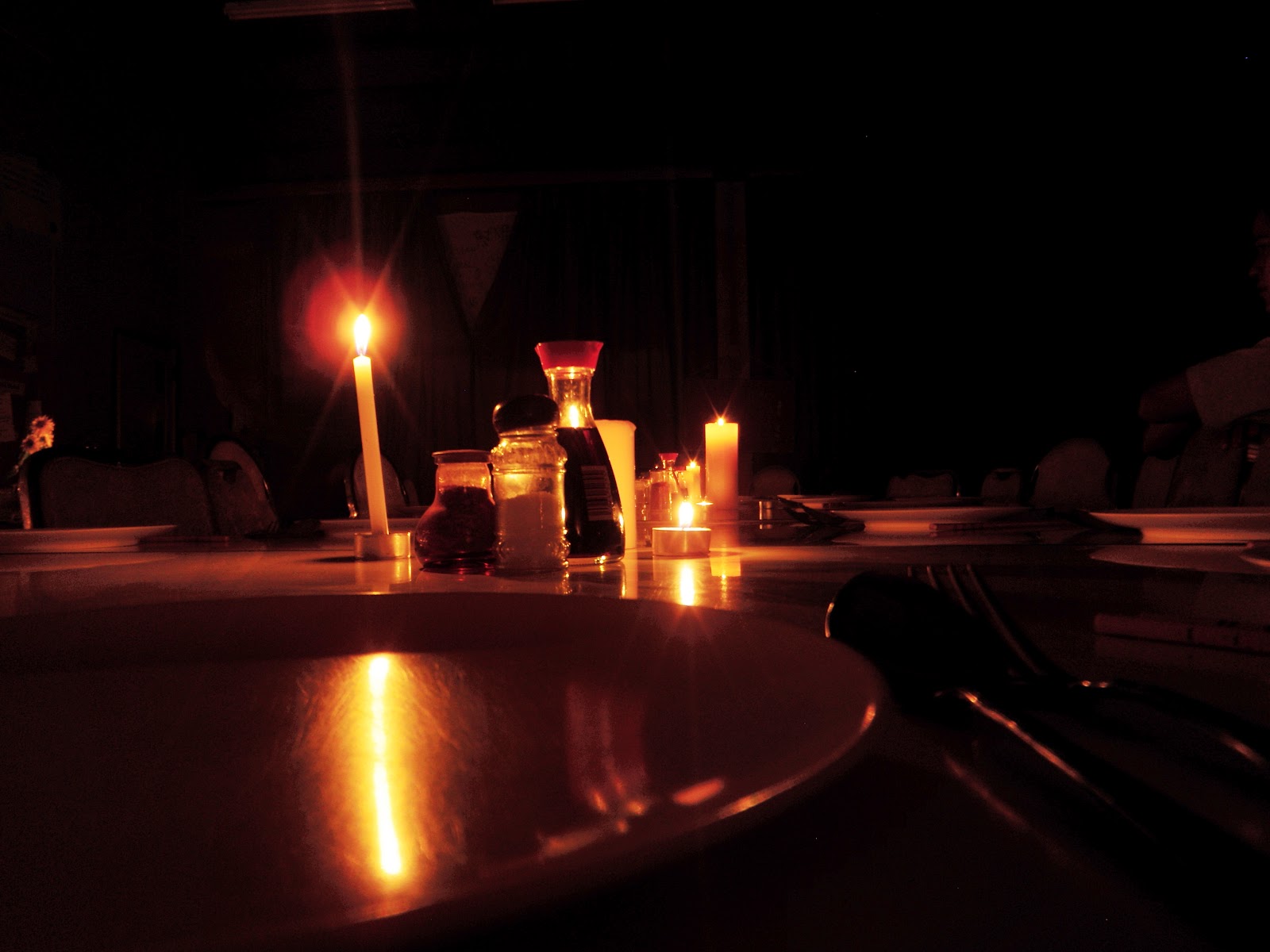
Later we all gathered in Koinonia, the dining hall, for a special candle-light feast that Jenny and the rest of the meal service team helped to prepare. Jenny made a butter-sweet peach cobbler. Also on the table: squid tempura, friend potatoes, tomato basil salad (made by Jenny also!), Philippine fried noodles, Indonesian pork curry, and, good ol' ARI-rice! In addition to the peach cobbler, we had fruit cocktail and homemade ice cream! Some of our musically inclined staff helped to set a welcoming tone by playing guitar and piano.

 Now,  we are about to settle into another week. With the new month everyone will change foodlife groups. I hope I get to stick around in the pig section for a couple more days. There is a mother sow who was expected to give birth yesterday!

This week already marks the first month we have spent here. Thank you all again for your prayers and love.

Much hope and new beginnings.

Doug and Jenny Knight